Adhesion is a substance clinging to something else; cohesion is a substance holding on to itself. Every glue, tape and sticky note balances the two, and a gecko's foot shows how to do it with no glue at all.
Pick something sticky to see how it holds and how it lets go. The bar shows how permanent the hold is meant to be.
Based on the US Geological Survey, Compound Interest, Lemelson-MIT and UC Berkeley research news.
TWO NUMBERS WORTH KNOWING
Small contacts, big hold.
One figure from a gecko's foot, one from the life of a weak glue.
≈ 2million
Microscopic hairs on a gecko's toes
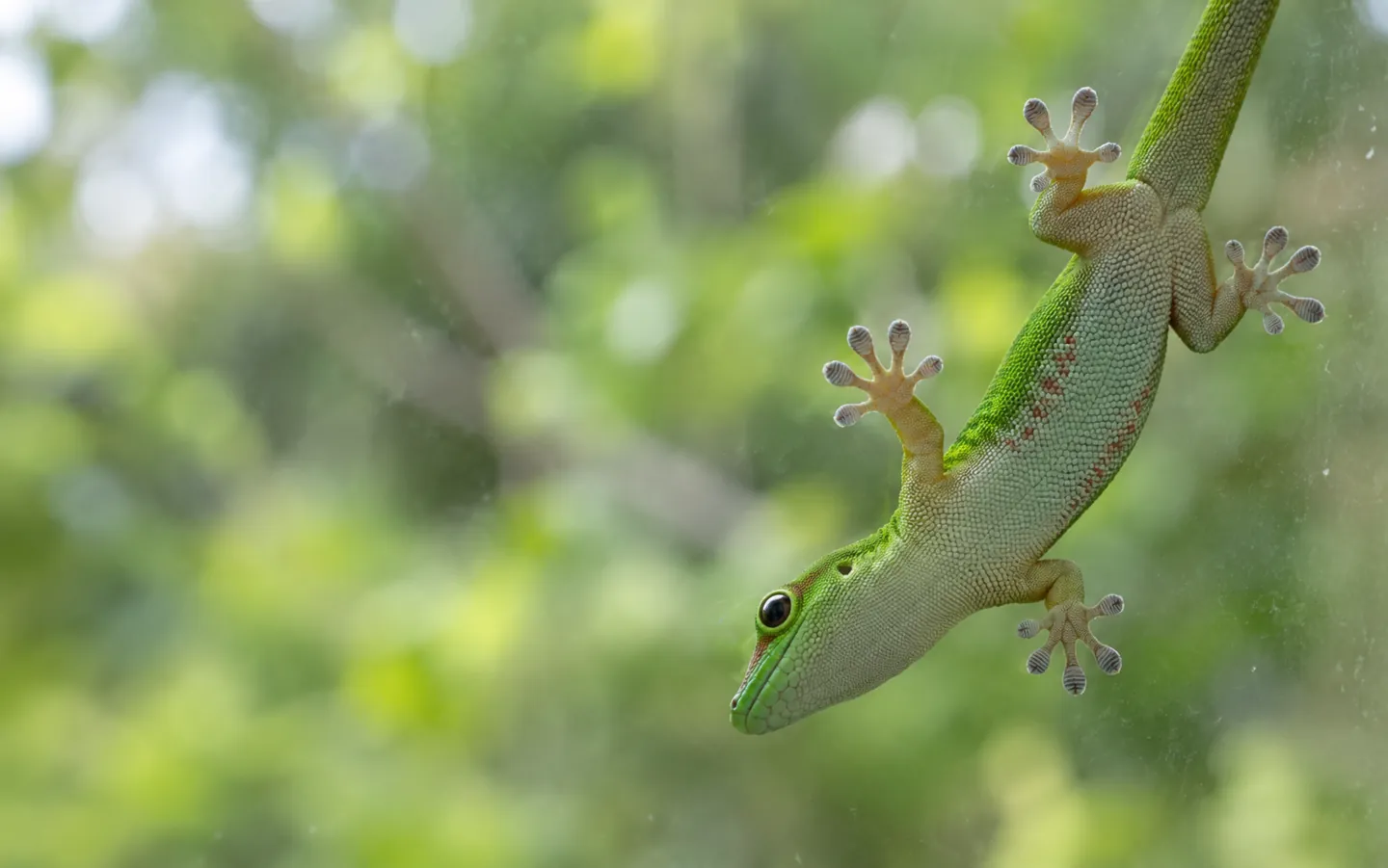
Each hair ends in hundreds to thousands of tiny pads. Researchers reported in Nature in 2000 that the combined force of all the hairs is about 10 times what is needed to pull a gecko off a wall.
GECKO FEET · UC BERKELEY
12years
From weak adhesive to the shelf
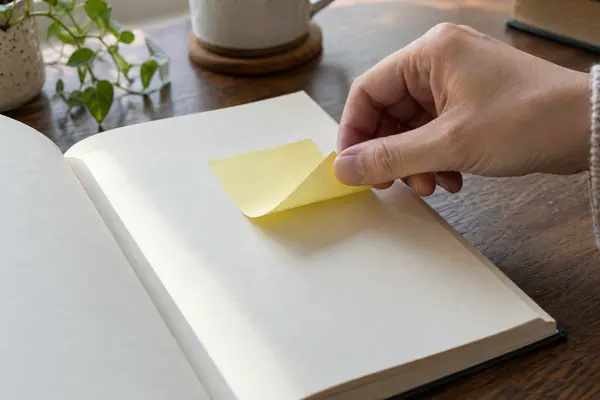
The low-tack adhesive was made in 1968. A colleague later saw it could anchor paper bookmarks, and the notes launched nationwide in the US in 1980.
LOW-TACK GLUE · LEMELSON-MIT
A 2002 UC Berkeley study ruled out a film of water as the gecko's secret and concluded the grip comes from the shape of the hairs, not their chemistry.
FOUR THINGS TO NOTICE
Sticky science at the kitchen table.
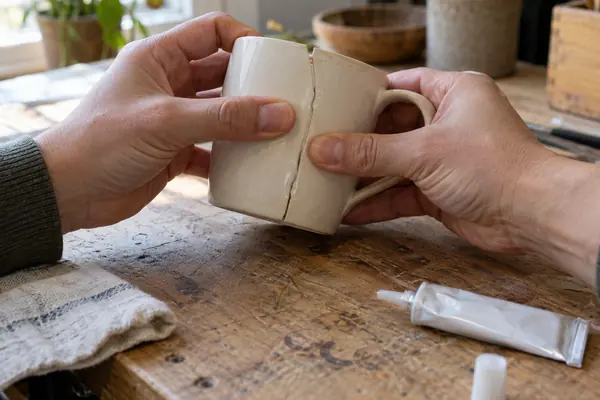
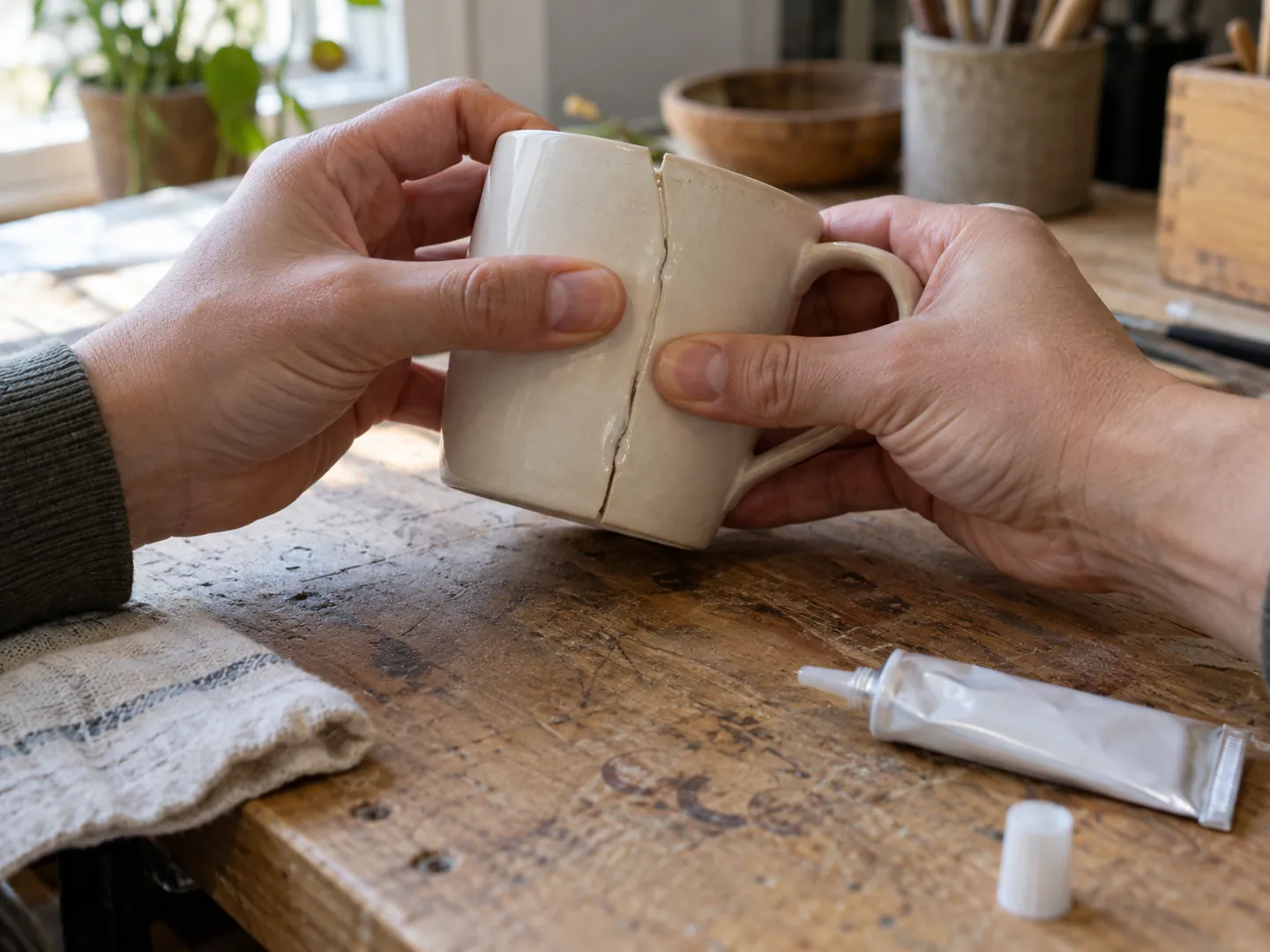
These ideas show up in everyday jobs, from mending a mug to marking a page.
Watch a raindrop
Cohesion holds the drop together; adhesion keeps it clinging to whatever it lands on, like a pine needle.
Give glue somewhere to go
Glue grips partly by seeping into small cracks and pores and then hardening, as well as by attraction between molecules.
Peel, do not pull
Geckos let go by peeling their toes. Peeling a note or tape from one edge works on the same idea.
Keep superglue off skin
Skin holds moisture, which can start superglue setting. Packets warn to keep it away from eyes and mouth.
AI-generated image, not a photograph of a real person or place.AI-generated image, not a photograph of a real person or place.
THE WEAK GLUE
A failure that found its job.
In 1968 a chemist made a low-tack adhesive from tiny acrylic spheres. He hoped it might become a spray or a noticeboard surface, but for five years no one found a use for it.
Then a colleague, annoyed that paper bookmarks kept slipping from his hymn book in choir, saw that the weak glue could hold them in place. After about five more years of work, the reusable notes launched in 1980.
Questions
Questions people ask
What is the difference between adhesion and cohesion?
Cohesion is a substance sticking to itself, like water molecules holding a drop together. Adhesion is a substance sticking to something else, like a drop clinging to a pine needle.
How does glue actually stick?
Several things help. Weak attractions between molecules, such as van der Waals forces, hold glue to a surface, and glue also seeps into tiny cracks and pores before it hardens. The details for particular glues are still not fully understood.
Why does superglue set so fast?
Cyanoacrylates react with water, and even the water vapour in the air is enough to start the reaction. The molecules link into a long, strong polymer chain.
How do geckos stick to walls?
Their toes carry about two million microscopic hairs, each ending in many tiny pads. UC Berkeley researchers found the hairs cling by van der Waals forces, weak attractions between molecules.
Why can a sticky note be restuck?
Its adhesive is made of tiny acrylic spheres that touch a surface only at points, so the bond holds paper but comes apart without tearing and can be used again.